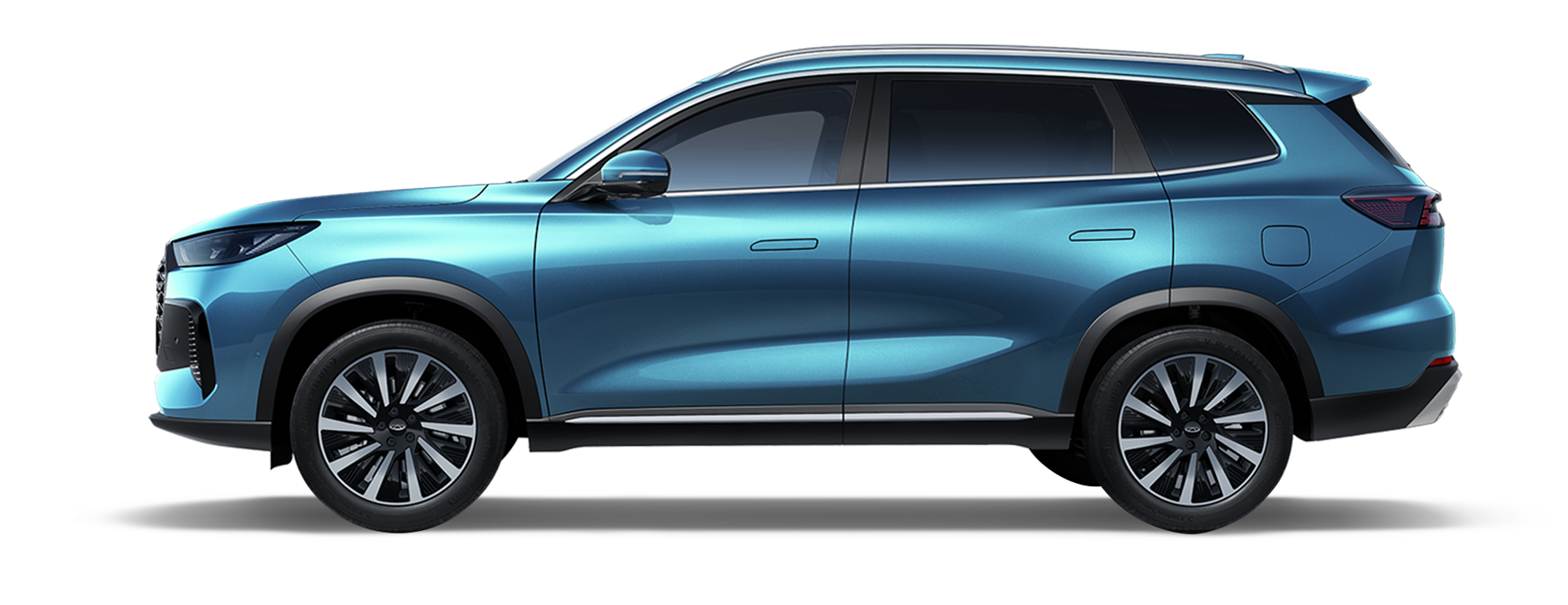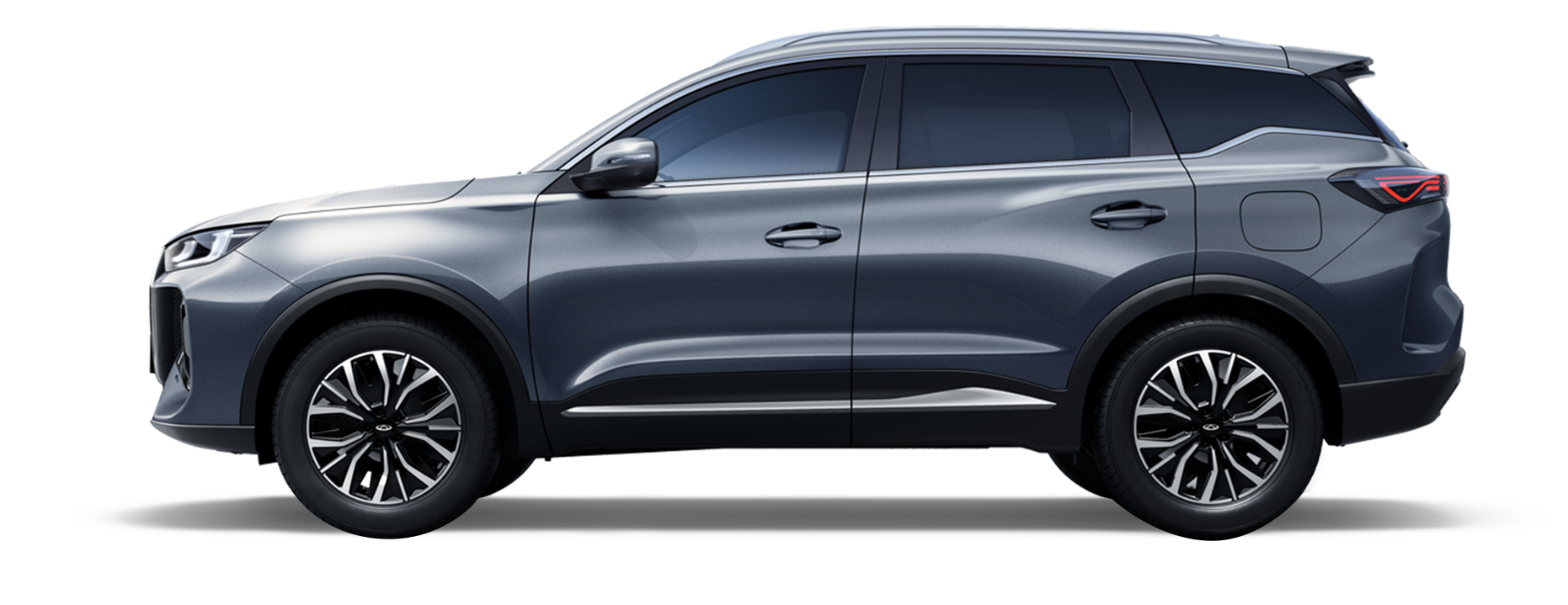

Length
4553
mm
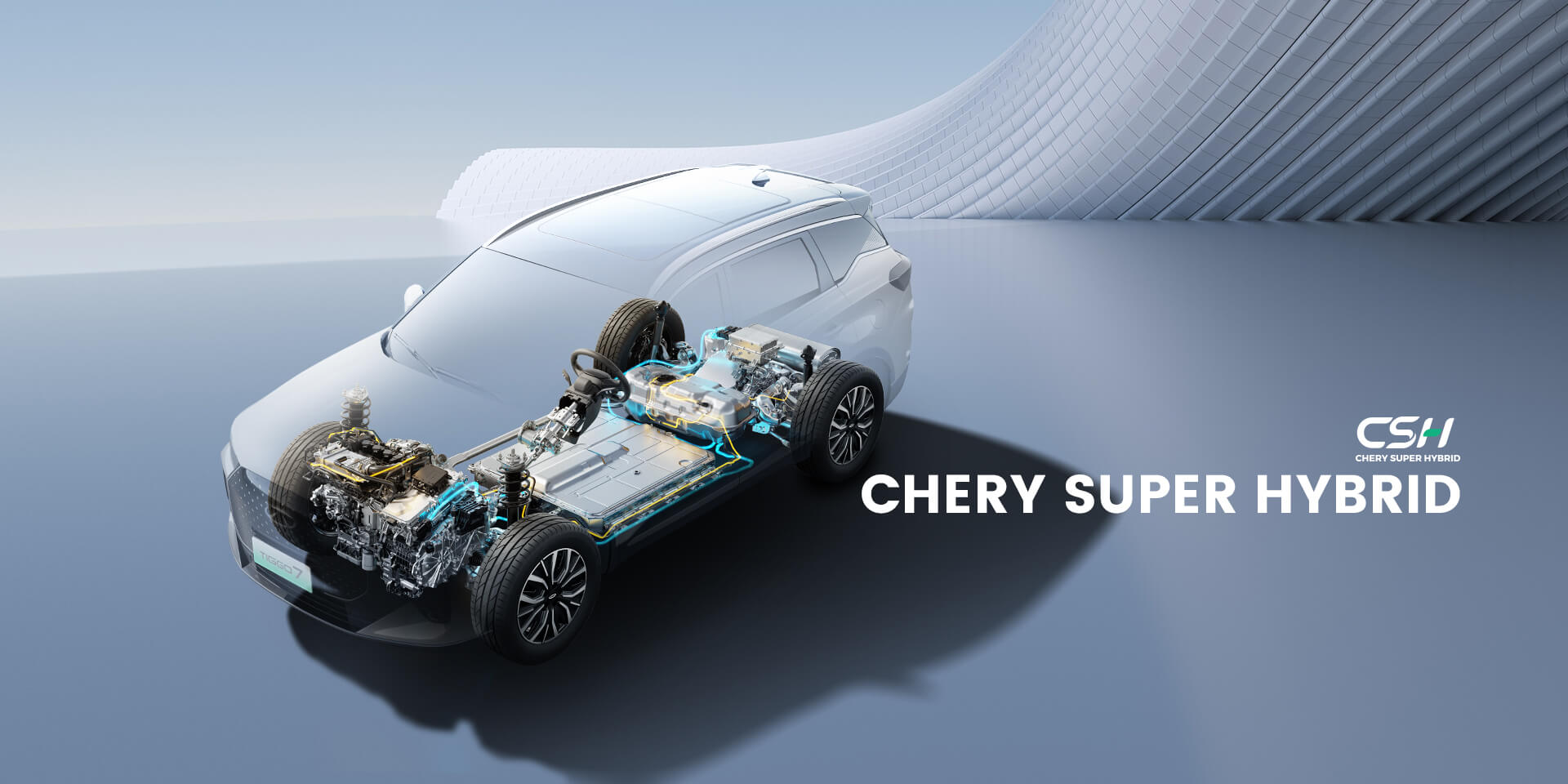

Powered by CHERY's segment-leading 44.5%-efficiency hybrid engine, the TIGGO8 CSH delivers a combined range of 1.050 km at a fuel consumption of just 2.5 L/100 km (WLTP).
The pure electric range of 90km can meet the needs of commuting to and from work for a week, and it can replenish from 30 to 80% of range in 20 minutes.
CHERY has independently developed five generations of hybrid technology over the last 26 years.

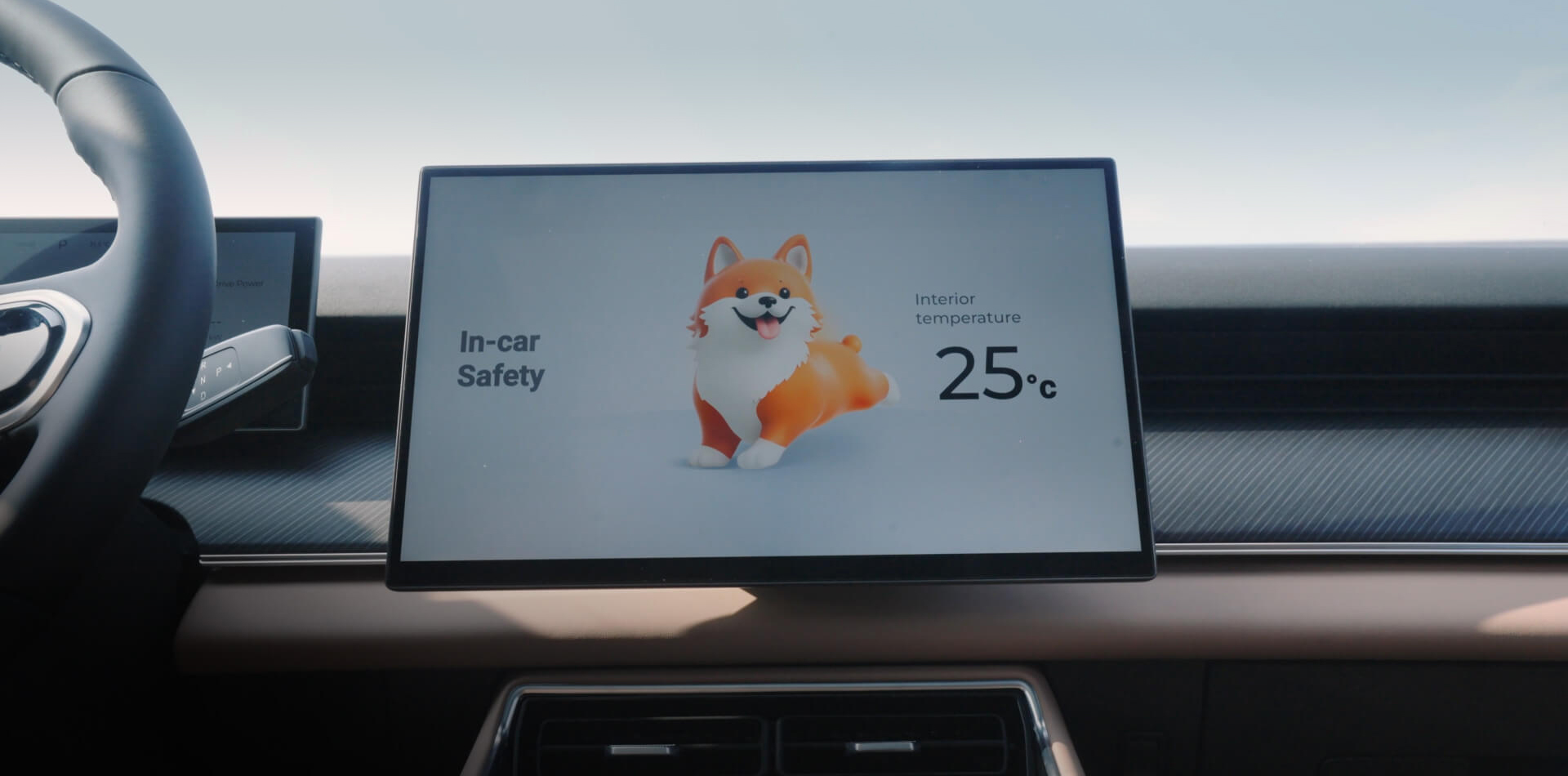
Don't worry, your pet is all settled: windows and doors auto-locked, climate control activated — keeping them cozy and safe as if they never left home.
Don't worry, your pet is all settled: windows and doors auto-locked, climate control activated — keeping them cozy and safe as if they never left home.










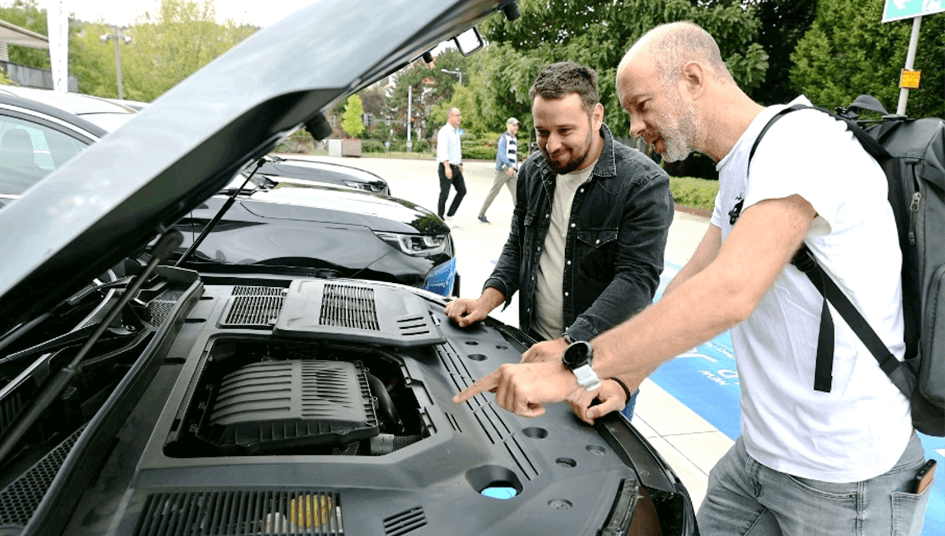
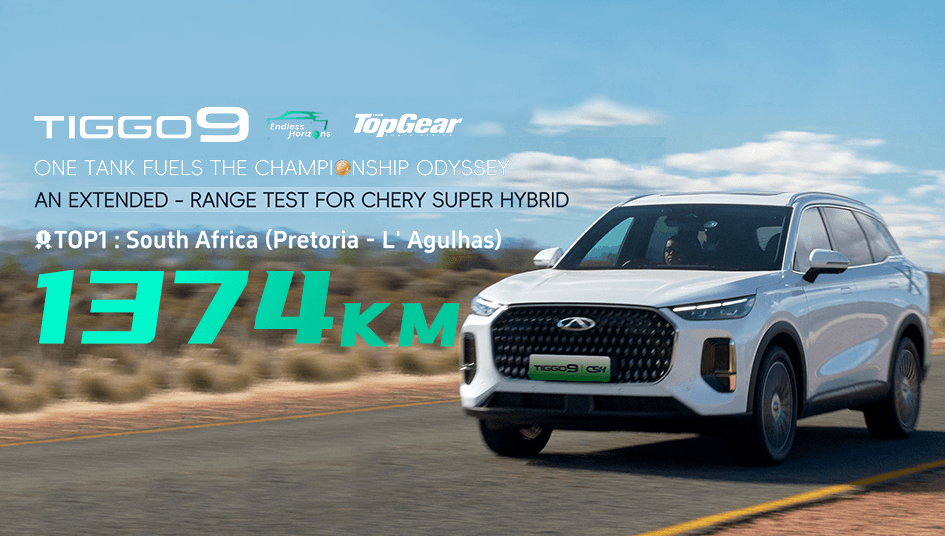
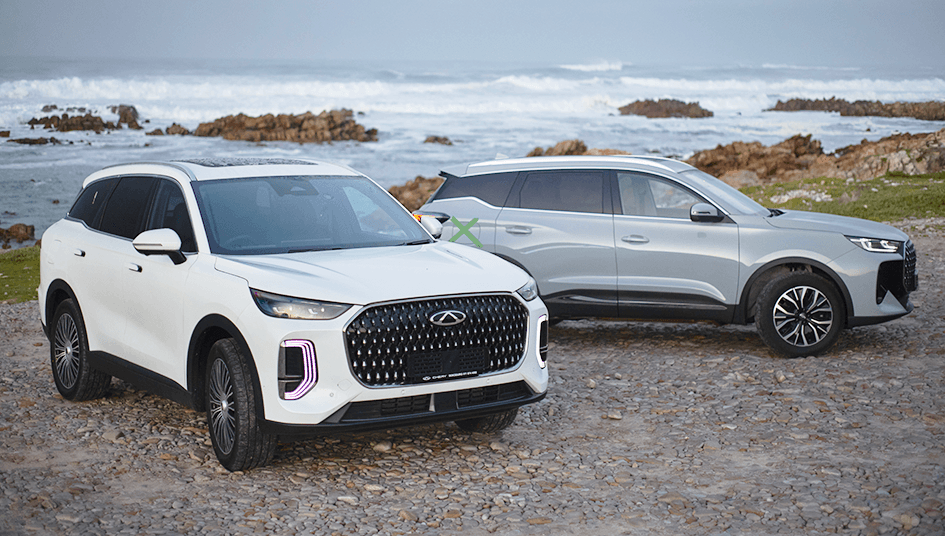




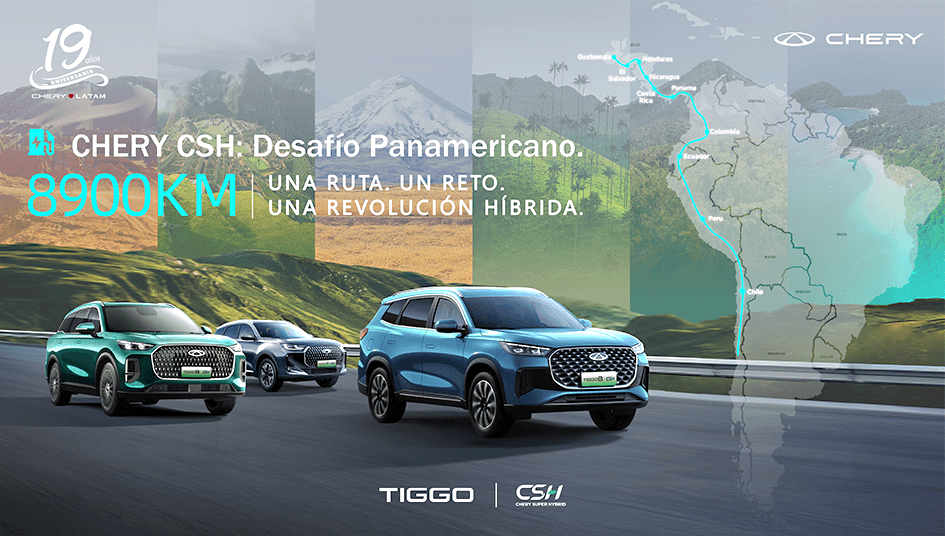
The answers that go beyond the technical specifications. Your CHERY dealer can help with anything more specific.
No. Even with an empty battery, the CHERY Super Hybrid (CSH) continues to operate like a conventional hybrid vehicle. The petrol engine and regenerative braking system maintain the battery charge, allowing a total driving range of over 1,000 km.
Charging is designed to maximize your daily electric driving, not to keep the vehicle running. If you charge regularly, you can complete most everyday journeys using electric power alone.
Partially. The CHERY Super Hybrid system automatically recovers energy while driving. In serial hybrid mode, the petrol engine can generate electricity for the electric motor, while regenerative braking captures energy during deceleration and stores it in the battery.
This helps maintain battery reserves, but it is not enough to fully restore the vehicle's 90 km electric range. For a complete recharge, the vehicle must be plugged into a charging point.
Nothing noticeable from behind the wheel. When the battery charge becomes low, the system seamlessly switches to hybrid operation, with the petrol engine providing the required energy.
Performance remains unchanged, with full power and torque always available. The main difference is that fuel consumption may increase slightly until the battery is recharged.
A standard hybrid does not need to be plugged in. Its smaller battery is charged exclusively while driving, which means it can only travel short distances in all-electric mode.
A plug-in hybrid (PHEV) can be charged via an external power source and offers up to 90 km of pure electric driving, reducing fuel consumption and emissions on daily journeys. It also delivers 275 hp, compared to 221 hp for the conventional hybrid version.
The TIGGO7 CSH is available as both a hybrid and a plug-in hybrid, while the TIGGO8 CSH is offered exclusively as a plug-in hybrid.
No. The CHERY Super Hybrid system automatically manages the vehicle's different driving modes in real time, ensuring optimal efficiency and performance without driver intervention.
The only habit we recommend is plugging in the vehicle overnight, just as you would charge your smartphone, to make the most of its electric range.
The battery is covered by a 7-year or 150,000 km manufacturer warranty (whichever comes first), providing long-term peace of mind.
Its advanced Lithium Iron Phosphate (LFP) technology is known for excellent durability, safety, and long-term performance. To help preserve battery health, fast charging automatically slows down as the battery approaches 80% capacity.
2. The electric range depends, among other things, on driving style, outside temperature, topography, vehicle condition (e.g. tyre pressure, maintenance and oil condition) and the use of auxiliary consumers.
3. The CO₂ class ranks the vehicle based on its CO₂ emissions (combined, WLTP) on a scale from A (lowest CO₂ emissions) to G (highest CO₂ emissions).